Smart rings: pressure readings, estimates, alerts and related trends
3 ringsRecorded blood pressure features from makers’ pages. Grouped by what the feature does; dollar prices low to high, then other currencies.
Blood pressure · the comparison
Compare 24 devices whose makers list blood pressure measurement, estimates, alerts or related vascular trends. Explore their everyday use, prices and reviews.
Ordered by what the feature does, then by price. Not a ranking of blood pressure accuracy.
Choose a type to see its models.
Each type is grouped by what the feature does, cheapest recorded price first. Open a model for its sources, costs and history.
Recorded blood pressure features from makers’ pages. Grouped by what the feature does; dollar prices low to high, then other currencies.
Recorded blood pressure features from makers’ pages. Grouped by what the feature does; dollar prices low to high, then other currencies.
Recorded blood pressure features from makers’ pages. Grouped by what the feature does; dollar prices low to high, then other currencies.
Start with the short answer, then open the comparison and sources.
A cuff in the strap takes the reading itself. Other wearables estimate pressure, send an alert or show related vascular trends without a pressure reading. This is what each maker’s page says the feature does.
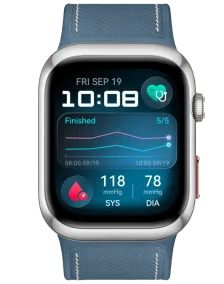
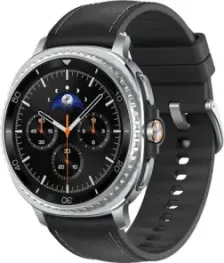
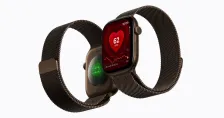
A 26.5 mm airbag cuff built into the strap inflates and reads pressure the oscillometric way, with 24-hour ambulatory monitoring at preset intervals. Huawei also names the STRIDE BP recommendation. HUAWEI WATCH D2 ↗
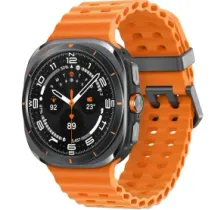
The PumpBeats engine measures systolic and diastolic pressure and heart rate on the wrist after calibration with an upper-arm monitor; the watch can also measure automatically every 5 minutes while you are still. Amazfit: install the Blood Pressure mini program from the Zepp app; recalibrate at least every 28 days with a medically certified upper-arm monitor; not a medical device, results for reference only. Amazfit Cheetah 2 Ultra manual ↗
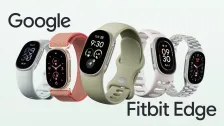
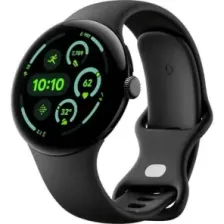
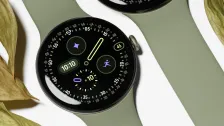
Optical and movement sensors and the WavesFM model read the shape and speed of the pulse to estimate blood pressure over the month; the app gives a monthly trend result, not a live reading. Google: general wellness only, not a hypertension screen, no real-time readings and no cuff calibration; needs the Google Health app 5.09 or higher and 5 continuous days of wear a month; Google's Health Guardian page says a Google Health Premium subscription is required on Fitbit Edge and Fitbit Air; availability varies by region. Track your Blood pressure trends with the Google Health app - Google Health Help Center ↗
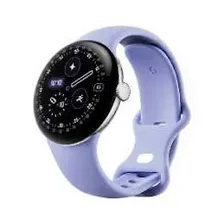
Optical and movement sensors and the WavesFM model read the shape and speed of the pulse to estimate blood pressure over the month; the app gives a monthly trend result, not a live reading. Google: general wellness only, not a hypertension screen, no real-time readings and no cuff calibration; needs the Google Health app 5.09 or higher and 5 continuous days of wear a month; no subscription on Pixel Watch 3, 4 and 5 (Google's Health Guardian page); called Vascular Stress in Japan and Mexico; availability varies by region. Track your Blood pressure trends with the Google Health app - Google Health Help Center ↗
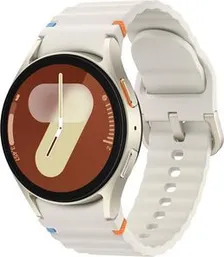
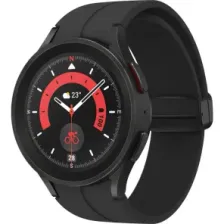
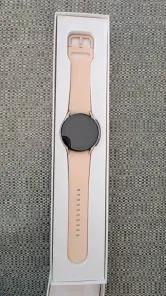
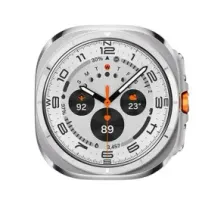
Estimates systolic and diastolic pressure from the optical sensor after a calibration against an upper-arm cuff, repeated every 28 days. Samsung (US, phased rollout from 31 March 2026): Galaxy Watch4 and later, not the Galaxy Fit, with Wear OS 4.0 or higher and a Samsung Galaxy phone on Android 12 or higher; third-party cuff sold separately; not intended to prevent or diagnose high blood pressure; the app works only where the watch and phone were bought and the service is offered. Samsung's Blood Pressure Monitoring Feature Now Available to U.S. Users in Samsung Health ↗
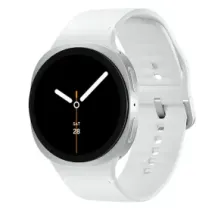
Estimates systolic and diastolic pressure from the heart rate sensors after a calibration against an upper-arm cuff every 28 days; wear the watch asleep and it shows a morning estimate. Samsung (US): shown as a blood pressure trend estimate on waking; third-party cuff sold separately; compatible with Android 12 or later and Wear OS 4.0; not intended for diagnosis of disease; Samsung's US release says a phased rollout began 31 March 2026 for select users and that the app works only where the service is offered. Discover the Galaxy Watch9 Smartwatch Features - Samsung US ↗
WHOOP Life provides blood-pressure insights for wellness rather than a cuff measurement. A wellness trend estimate, not a medical cuff reading. WHOOP Membership Options | Compare Plans & Features ↗
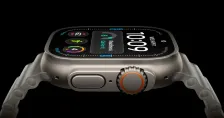
Watches the optical heart sensor for patterns of chronically raised pressure over 30-day periods and sends a notification — never a blood-pressure number. Apple: Series 9 or later and Ultra 2 or later on the latest watchOS; for people 22 and over, not pregnant, not diagnosed with hypertension; not everyone with hypertension gets a notification. Apple Support — Hypertension notifications on your Apple Watch ↗
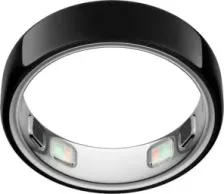
Blood Pressure Signals looks for blood-pressure-related patterns in nighttime PPG data over 30 days and notifies you only if one shows; it shows no mmHg number. Oura: a wellness feature that does not measure actual blood pressure in mmHg; needs a Gen3 or later ring with an active membership and at least 15 nights of data; Health Radar is offered to members in Australia, Canada, the EU, India, Mexico, New Zealand, Saudi Arabia, South Korea, the UAE, the UK and the US; cuff readings can be logged but do not feed it. Health Radar - Oura Help ↗
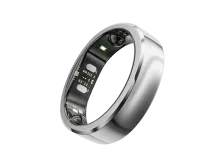
Vascular trends from nighttime patterns, lifestyle context and optional readings entered from a separate monitor. The ring does not produce systolic or diastolic blood pressure readings. Manual readings come from your separate monitor, not the ring. Vascular insights do not replace a blood pressure measurement. RingConn Gen 3 feature guide ↗
Some use an inflatable cuff; others estimate pressure, sometimes after calibration with a separate cuff.
An alert about possible hypertension is different again: it does not give a pressure reading. The method labels below distinguish these cases. Our current evidence contains no blood-pressure validation result, so the order cannot answer “most accurate”.
The FDA warns against unauthorized wearable pressure devices. Verify the exact device and intended function in its guidance; a feature in this catalog is not proof of authorization.
The recorded capabilities distinguish a measurement, an estimate, an alert and related trends without a pressure reading. These labels describe what a maker’s page says the feature does; they do not establish accuracy.
Our recorded features alone cannot answer that. The lists distinguish measurement, estimation and notification, then sort by recorded price; where a published test is recorded, its model and conditions appear separately. Nothing in this order certifies accuracy.
It means the maker’s recorded feature alerts to a pattern rather than returning a blood pressure measurement. Follow the model’s source for the scope and availability of that feature.
A type appears only when we have a maker capability record for this topic. A missing record does not prove that no device of that type can offer the feature.